

The Communications and Multimedia Commission of Malaysia (MCMC) is strengthening the regulatory review of Meta. Reports indicate that the social media giant has earned significant advertising revenues from fraud and illegal gambling. According to relevant documents, approximately 10 per cent of Meta ‘ s total income of up to 66.5 billion Malaysian ringgit (approximately $16 billion) in 2024 was derived from fraud, illegal gambling and uncommitted advertising.
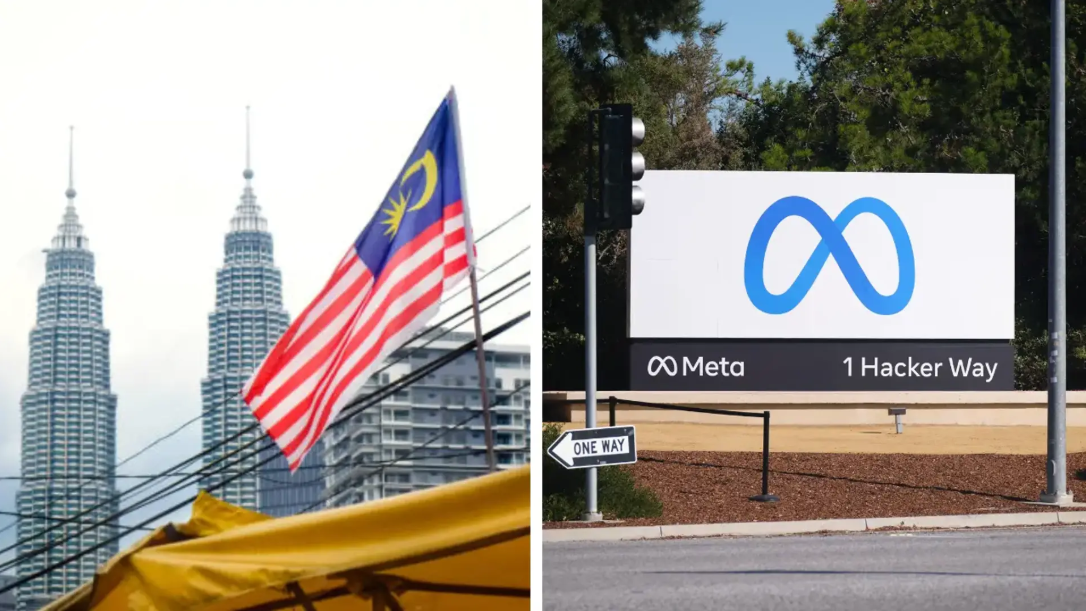
MCMC has confirmed that a second summons for a meeting will be sent to Meta as part of an official investigation into the allegations. The Commissioner of the Commission, Derek Fernández, expressed serious concern about this disclosure and noted the necessity and timeliness of taking stringent regulatory measures. He further characterized the current situation as serious and deeply disturbing, stressing that public interest required prompt action. According to internal Meta documents obtained by Reuters, users are exposed to about 15 billion “high-risk” fraud advertisements per day. The annual revenue generated by such advertising is estimated at RM24.9 billion (approximately $7 billion), of which advertisements classified as “high-risk” contribute directly to the cost of advertising. Problem advertising categories include fraudulent electric swindlers, false investment opportunities, unlicensed Internet gambling and prohibited medical products. Despite Meta ‘ s objection to relevance, which claimed that 10.1 per cent of the income was too broad and inclusive, the scale of the advertising issue raised substantive concerns. Between January and early November 2025, the Malaysian authorities had submitted more than 157,000 requests for removal of illegal advertisements against the Meta-flagged Facebook and Instagram platforms, nearly 45,000 of which specifically targeted gambling content. These removal requests exceed the sum of the competing platforms TikTok, Telegram, X and YouTube.

Derek Fernández pointed out that, while science and technology companies profited greatly from elements related to illegal or fraudulent activities, public institutions needed to invest significant resources to regulate those platforms. He called on businesses to put in place stronger protective measures to prevent recidivism and limit the use of social networks by criminals. The Commissioner warned that, in the absence of substantial progress, Malaysian regulatory bodies might take more stringent measures, including the introduction of a social media licensing system, the establishment of statutory victim powers to prosecute science and technology companies, and legal action against platforms that deliberately condoned wrongdoing. To enhance transparency and accountability, Derek Fernández proposed the establishment of a “public safety and cyberhazard rating system” and mandatory transparency reporting by enterprises. The plan aims to provide users with a better understanding of how enterprises deal with harmful and illegal web content. In the face of regulatory pressure, Meta warned that overregulation could affect innovation and make it difficult to keep pace with the continuous evolution of cybercrime methods. Despite the escalation of tensions over the past months, the company has expressed its willingness to continue to communicate with regulatory bodies.
This initiative in Malaysia highlights the ongoing global search for digital content regulation and efforts to find a balance between innovation, user protection and corporate responsibility. Regulators and platforms are working together to address the central issue of how to reduce the economic incentives for fraud and illegal gambling advertising, and to explore effective ways to protect consumers and build viable digital ecology.