

TikTok ‘ s headquarters in Dublin had recently received a petition entitled ” Guarding the safety of young people: fixing TikTok ” , which had been launched by international human rights organizations and brought together more than 170,000 people from around the world to make it clear that the company had to clean up its “toxic culture and addiction” business model.

The petition stated that: “TikTok, as an online platform for entertainment, creativity and community communication, has evolved into a space that is increasingly replete with toxic cultures and addictive experiences, which is profoundly affecting the self-awareness, mental health and personality development of young users and is more likely to push them into a `information cocoon’ that is filled with depression and self-harm.” The organization emphasized that: “The Platform maintains addictive rolling browsing by predicting user preferences — even if content is hazardous — to ensure that advertising is accurate and commercial. That’s exactly why TikTok essentially built an addictive platform.” Lisa Dietmer, a digital rights researcher for children and adolescents in international organizations, explained that adolescents who showed interest in mental health content were likely to be dragged into the abyss of glorification of self-harm.
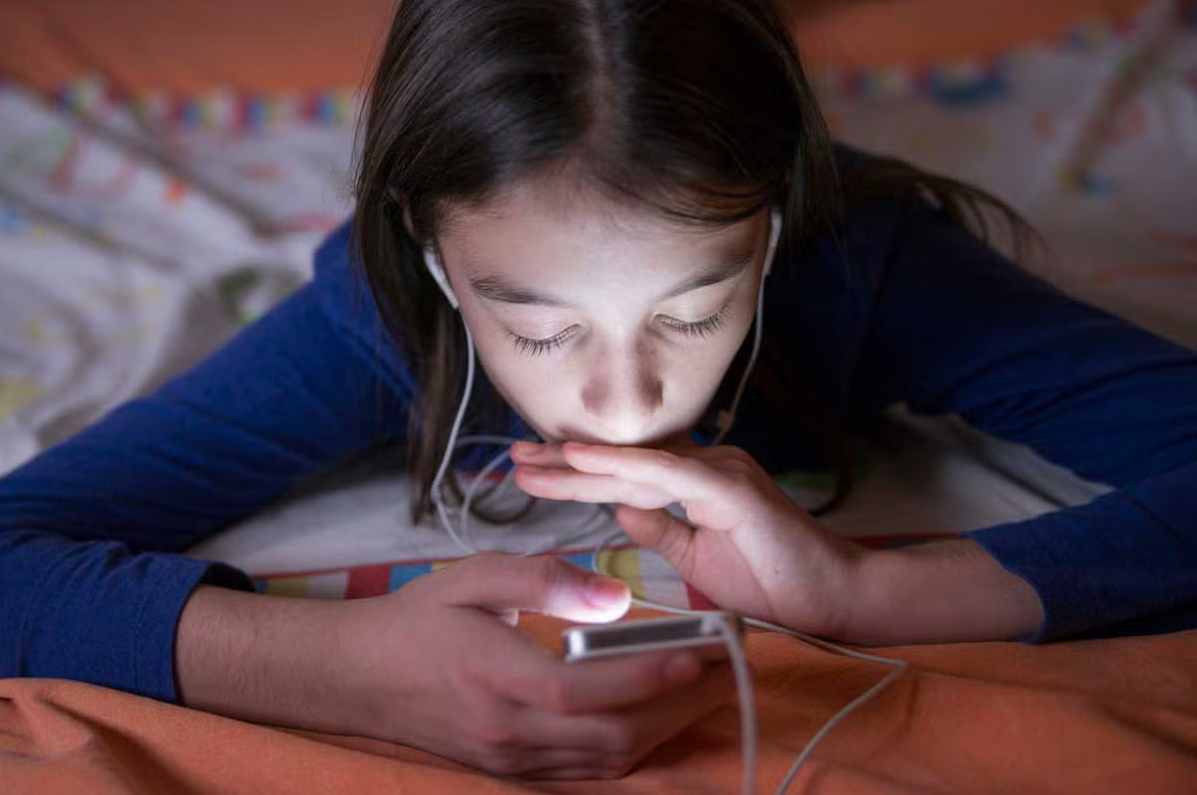
Lisa Dieter said, “test account in contact with TikTok’s “pushing” Within three to four hours, elements that promote suicide romanticism or demonstrate suicide intent, including practical means of implementation, are exposed. Testimonies from the parents of young and widowed children in France indicate that TikTok normalizes and increases self-harm with suicidal thoughts and even recommends participation in the suicide challenge.” The petition coincided with the publication by the American Psychological Association of a comprehensive report covering more than 70 studies that found that the overuse of short video applications such as TikTok and Instagram “related to the decline in cognitive functioning and mental health of adolescents and adults”. More worrying is the impact on the cognitive development of adolescents. The study notes that “repeated exposure to high-stimulant, fast-paced content can lead to a habitation that slows down the user’s cognitive tasks of reading, problem resolution and in-depth learning. The study also found that a sliding switch to behaviour patterns that do not provide instantaneous satisfaction video “may strengthen the rapid exit tendencies towards non-frequent stimulus” and thus “reduce attention control and the willingness to continue cognitive input, leading to a growing tendency towards short-lived high-return interactions rather than long-term target-oriented tasks”.



Despite its endorsement of TikTok’s initiative to stop individualizing advertising for young users in the European region, TikTok criticized it for “continuing such abuses in other parts of the world”. The organization argued that the platform should use child-friendly language and allow young users to choose, on their own and with full knowledge, whether to open a personalized referral function. To select users for this function, TikTok should direct them to “express their content preferences ” , rather than to “mass collection of user network behaviour” to construct the flow of information. Amnesty International has also called for better protection mechanisms to prevent the choice of individual recommended users from falling into “information cocoons of addictive use patterns and marginal harmful content”.