
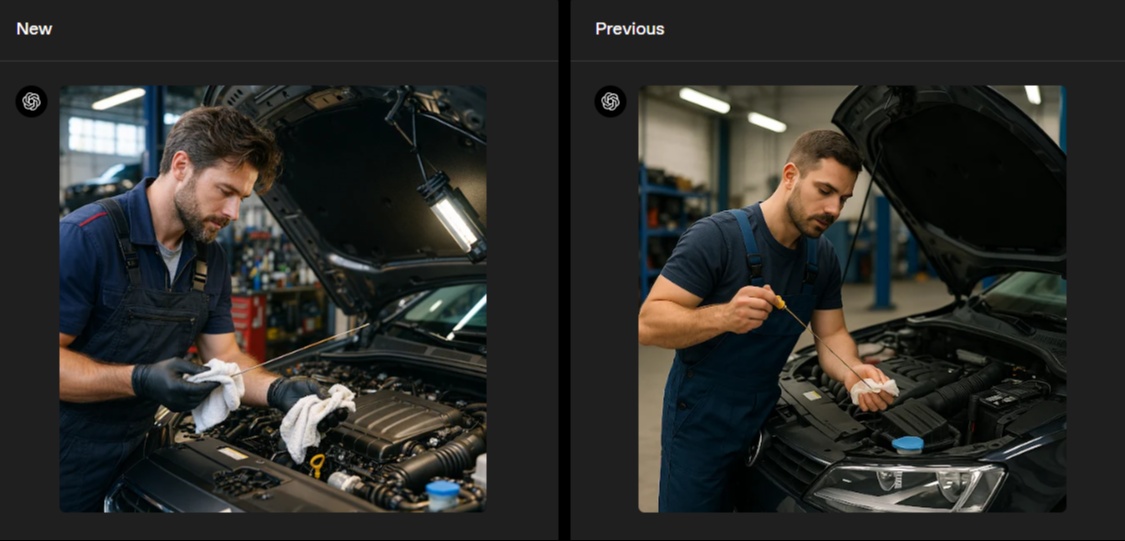
OpenAI recently announced a significant upgrade of ChatGPT’s image generation. This improvement followed closely the release of the ChatGPT-5.2 model, which produced a new GPT Image 1.5 at a maximum of four times the previous generation and was more reliable in image editing and command follow-up.
In the Official Gazette, OpenAI positioned the new edition of ChatGPT Image as a professional creative tool, emphasizing its professional-level visual output. Although limitations remain in the AI image generator, the new version of the model is like a visual production studio with a high-end, slightly defective configuration, and the operator is able to operate in a natural language without having to manually adjust the parameters or layers. The upgrade also brought with it the regulation of the ChatGPT interface: a new independent “image” tab was added as a creation centre, providing pre-filterers and preferred options based on current trends. Users can even generate or edit images by means of templates without even entering a hint, e.g. by clicking on the Retro-Journal layout or the Futureist Model button, and the system will automatically be effective — this is one of OpenAI’s initiatives to lower the threshold for the use of the tool.
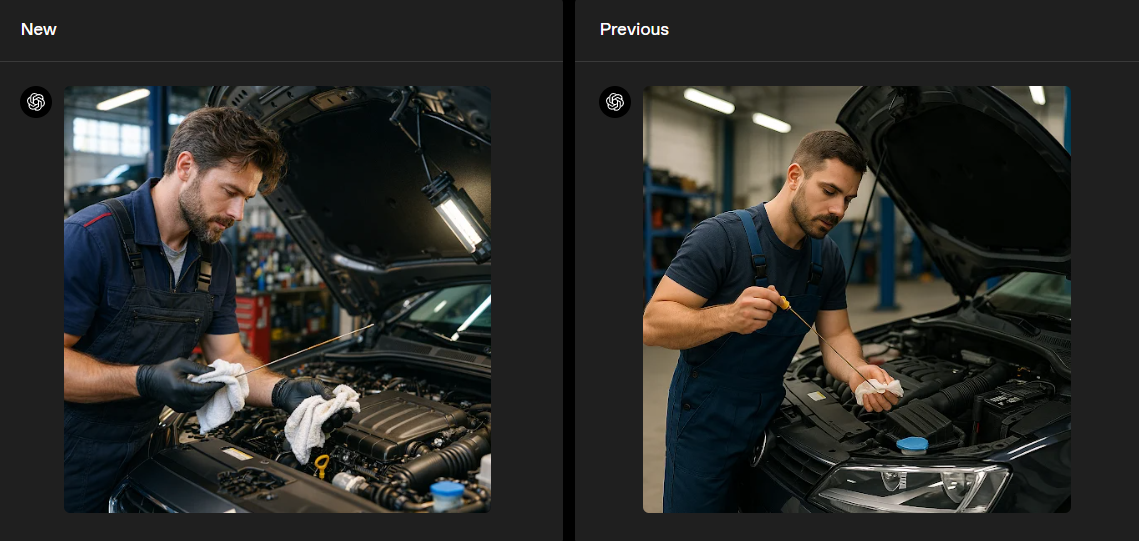
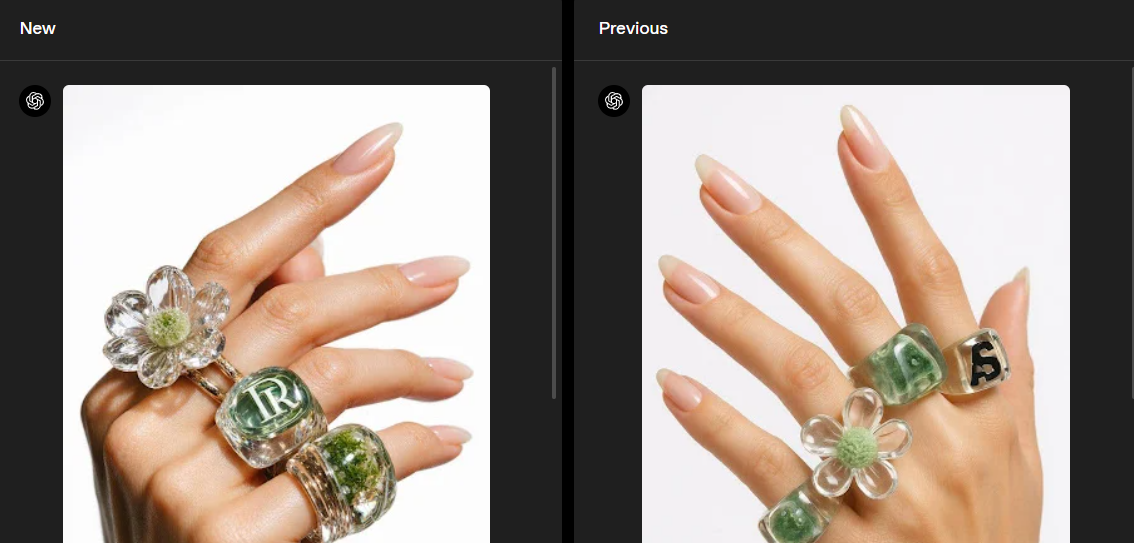
The new model also contains a number of detailed improvements: the resulting text is more intensive and not prone to distortion; it presents multiple faces in the population without excessive malformations; and it supports the maintenance of elemental consistency in multiple editings, allowing individual modification of a part of the image without prejudice to other regions (the old model is susceptible to continuous editing or complex command interference). The upgrade also enhances image integration and transformation: a user can request a hybrid style, move an element of the image to another image, or extract a single element into a new scene. Space relations between persons or objects are also handled more reliably. Of course, the system is still not perfect: some outputs may still deviate from expectations, and occasionally there is a problem of misperception of phrases or over-textization, but OpenAI claims that such situations have changed from “normal” to “exceptional”.
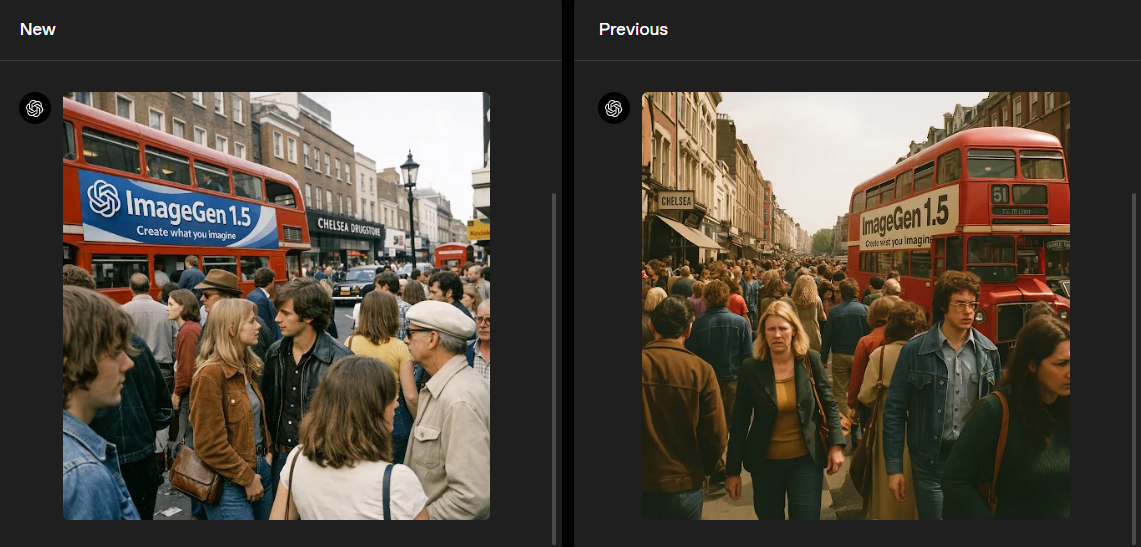
This upgrade is not limited to OpenAI’s own model function. Adobe recently revealed that Photoshop and Acrobat are being embedded in ChatGPT, which means that there may be seamless collaboration between multiple editorial platforms in the future. Users can design posters using ChatGPT in the same window and then switch to Photoshop to fine-tuned. Despite competition from Google Gemini, Midjourney and others, the ease of ChatGPT Images makes it a priority for the rapid generation of improved-formats, such as the British. The most positive interpretation of this upgrade is that the technology threshold for high-quality visual creativity and the cost of software are further reduced.
But this has also given rise to a series of warnings: how much of ChatGPT’s output is re-mixed with unauthorized capture of the work of human artists? Will it reduce opportunities for professional practitioners? Although the results may be surprising, users still need to think about the nature of “creation” through the use of AI tools.